UNACU TechSkills Hub
This project integrates technology into vocational education to create a modern, flexible learning environment. It equips students with both practical vocational and digital skills, preparing them for the evolving job market and enabling them to succeed in a technology-driven economy.
Key Components of the Project
Facts About This Project
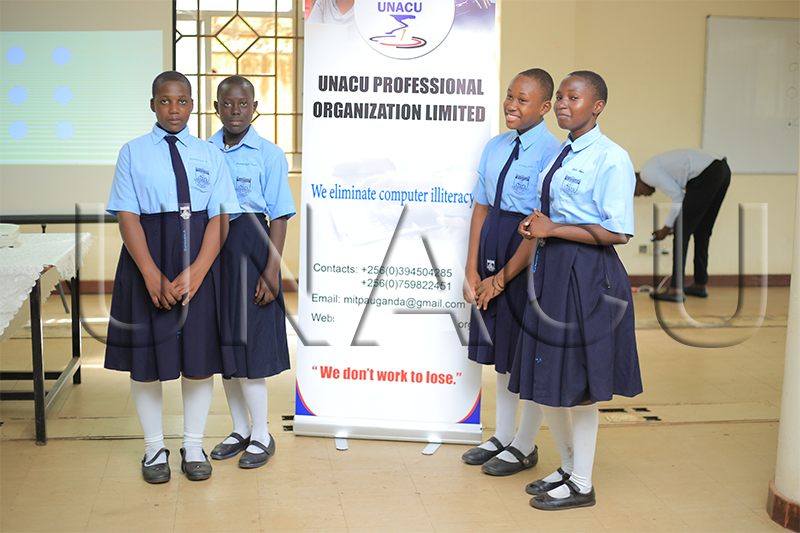
This will expand access to practical skills by serving school leavers, working adults, non-formally educated people & underserved communities. Training will be delivered through Day, Evening, Weekend & Holiday programmes, supported by mobile ICT outreach, community sensitisation, digital learning & industry linkages to promote employment, entrepreneurship & self-reliance
Call For Action
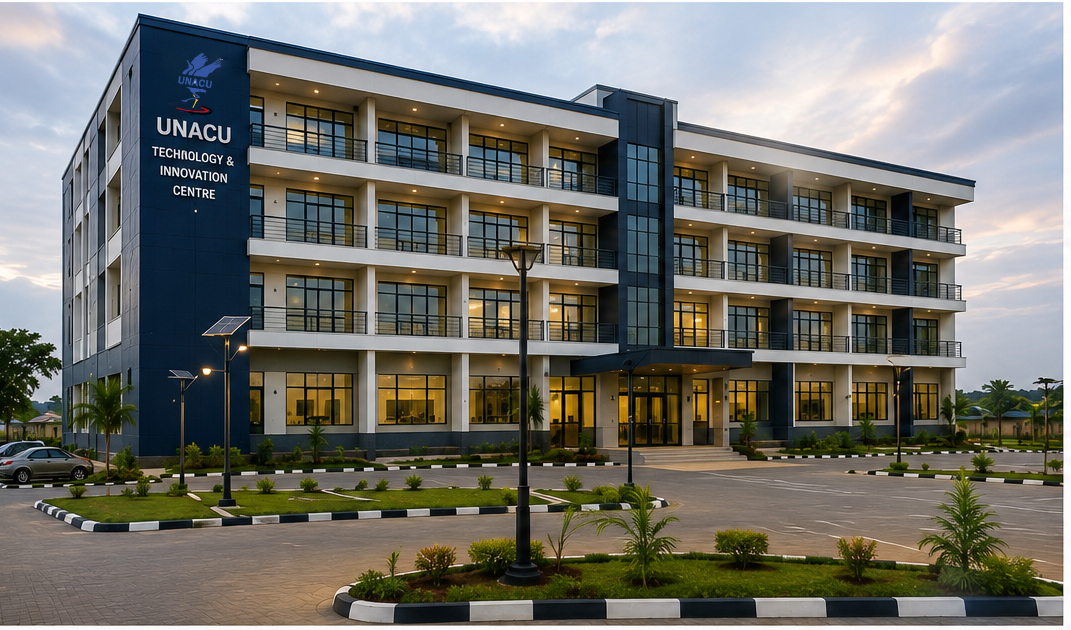
This institution will serve as a permanent centre for ICT & vocational skills development, innovation, entrepreneurship & community empowerment. It will provide modern computer laboratories, vocational workshops, innovation spaces, classrooms, administrative offices, a digital library, reliable internet connectivity & dependable systems to support quality practical training
Mobile ICT Lab Vehicle
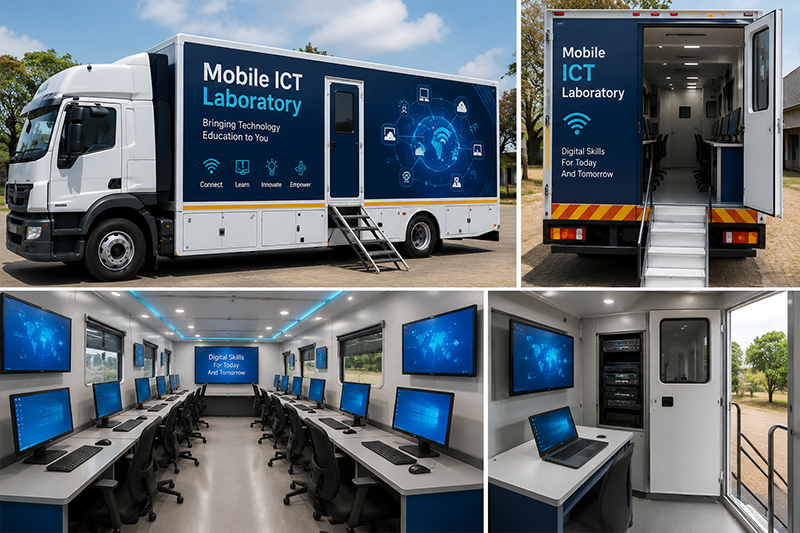
A fully equipped Mobile ICT Laboratory Vehicle will take computer and digital-skills training to schools, rural communities, and underserved areas. It will contain computers, internet connectivity, networking equipment, projectors, printers, digital learning resources, and portable power systems for practical ICT training and sensitisation activities across communities.

Your support Matters.
Your donation to UNACU will support the TechSkills Hub, providing computer education, digital skills, cybersecurity, coding, and vocational training. The project will empower young people and underserved communities with market-relevant skills, promote employment and entrepreneurship, and contribute to Uganda’s digital transformation and economic growth.

Outreach Motorcycles
Branded motorcycles will support community mobilisation, school visits, ICT sensitisation, vocational skills sensitisation, learner recruitment, field supervision & delivery of training materials. They will enable UNACU staff to reach communities and areas that are difficult to access by larger vehicles, especially rural & underserved areas across Uganda & Africa.

Flexible Learning
The charity hub will offer flexible learning options, including in-person and online courses, as well as evening, weekend & holiday classes. This will make education accessible to students with work, family, or other commitments, enabling them to gain valuable skills at their own pace through flexible & modified learning systems, regardless of financial circumstances.
Cybersecurity Centre
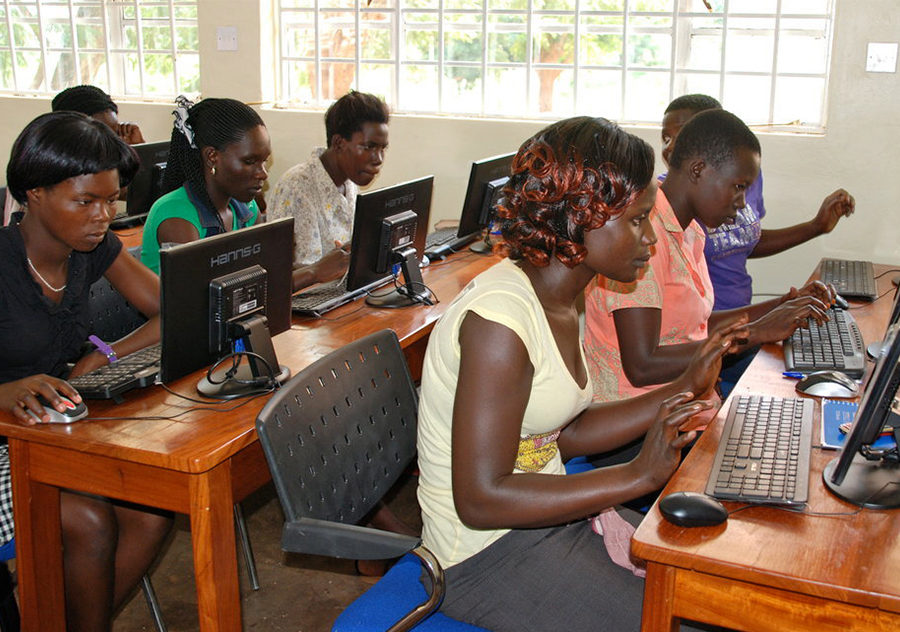
The Cybersecurity and Digital Safety Centre will provide training on cybersecurity, responsible technology use, data protection, privacy, online safety, cybercrime, fraud prevention, child online safety, and digital citizenship. It will equip individuals, schools, businesses, and communities with practical knowledge to identify and prevent digital threats and use technology safely.

ICT Clubs & School Outreach
UNACU will strengthen its ICT and innovation clubs through computer training, coding, robotics, cybersecurity awareness, innovation challenges, career guidance, and mentorship. The clubs will provide young people opportunities to develop digital skills, explore technologies, build projects, and strengthen problem-solving, creativity, teamwork, and entrepreneurship skills for employment.
Career Development Centre
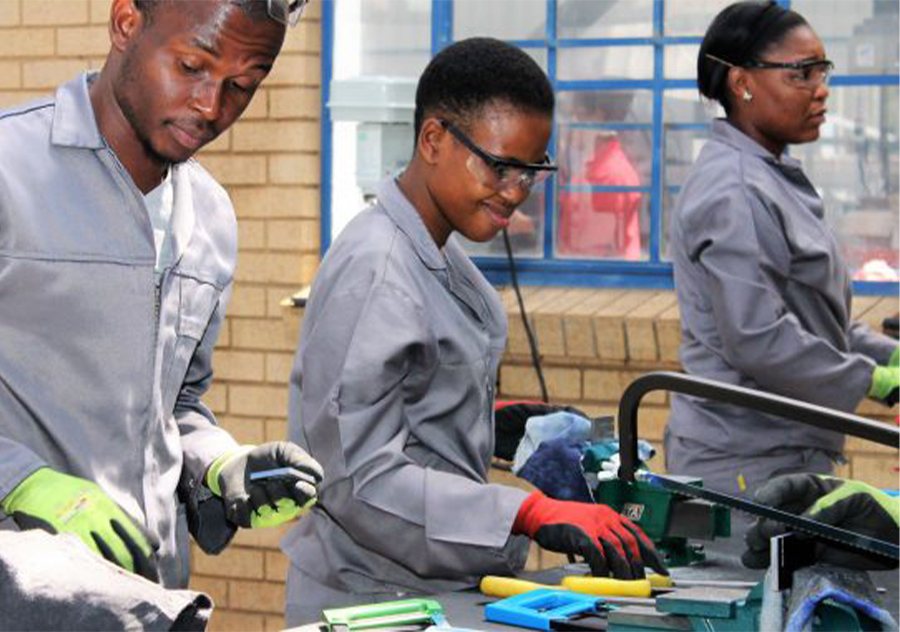
The centre will connect graduates with employment, internships, apprenticeships, freelancing, and entrepreneurship opportunities. It will provide career guidance, CV preparation, interview training, job-readiness programmes, and employer linkages to help learners transition from training into meaningful employment and self-employment within their communities.

Join Us
Every donation—big or small—brings us one step closer to building a future-ready Uganda. Be part of this transformative journey and help us empower the next generation of innovators, tech professionals, and skilled workers.

Resource Centre
The centre will manage computers, ICT equipment, vocational tools, electronics equipment, training kits, learning materials, multimedia equipment, and safety resources required for effective training and practical learning
Partnerships
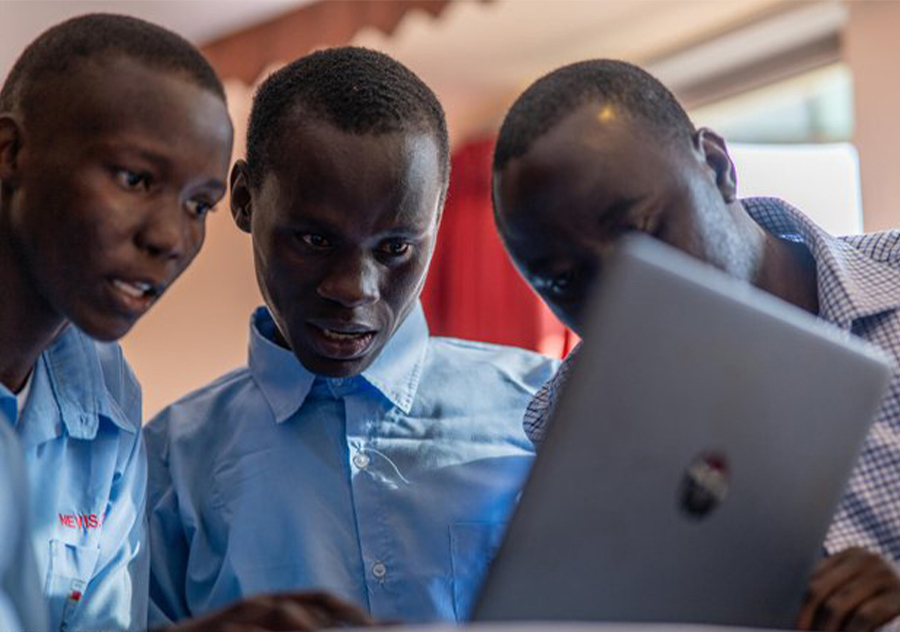
Uganda needs greater access to digital and vocational skills. UNACU TechSkills Hub will bridge this gap through inclusive, flexible and practical training for communities across Uganda, creating pathways to employment & enterprise.

Why This Matters
Uganda needs greater access to digital and vocational skills. UNACU TechSkills Hub will bridge this gap through inclusive, flexible, and practical training for communities across Uganda, creating pathways to employment and enterprise.
Empowering Communities
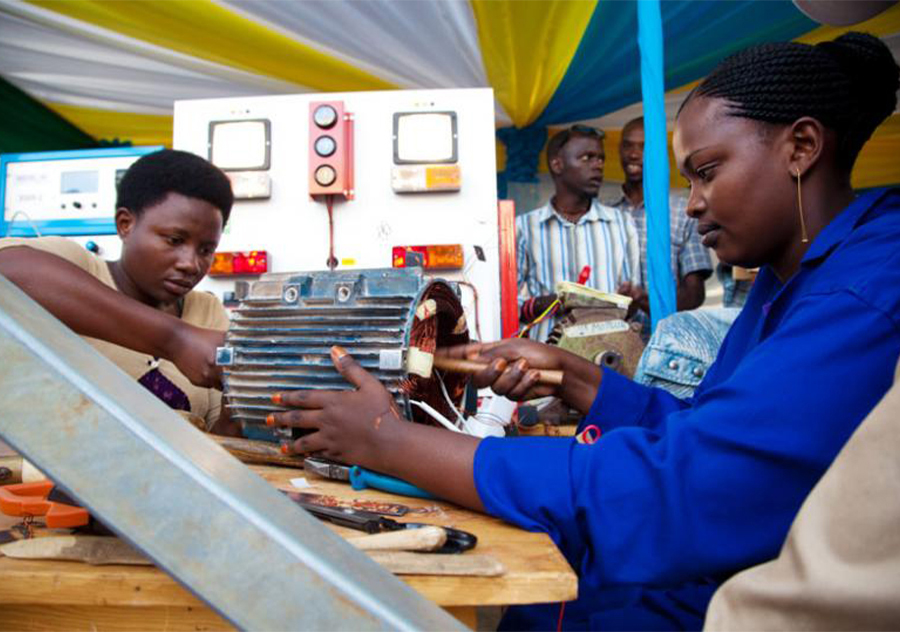
This Hub will empower communities through accessible digital, ICT & vocational skills training, creating opportunities for employment, entrepreneurship, innovation & sustainable livelihoods for all, especially underserved communities.

Boosting Growth
UNACU TechSkills Hub will boost economic growth by developing practical digital and vocational skills, supporting entrepreneurship, increasing employability, and preparing a skilled workforce for Uganda’s changing economy.
Support the Project
Help us raise US$ 500,000 to equip Ugandans with practical skills for employment and self-reliance. Your donation, time, or voice can make a lasting impact. Support vocational skilling and be part of building a stronger, skilled community.
Project Impact
This project empowers students with both technical and soft skills, enhancing their job opportunities and preparing them for success in the modern workforce. Technical skills ensure proficiency in various fields, while soft skills like communication, problem-solving, and leadership help students thrive in workplace environments. By fostering entrepreneurship, the project encourages students to start their own businesses, contributing to local economic growth. Ultimately, this combination of skills builds a versatile workforce, increases employment prospects, and promotes economic self-sufficiency in the community.
Funding and Sustainability
The project will be funded through government grants, private sector partnerships, tuition fees, and community contributions. These sources will cover operational costs, infrastructure, and educational resources. Donors and well-wishers, including international organizations, philanthropists, corporations, and alumni, will support scholarships and development. Over time, the project will become self-sustaining by reinvesting surplus funds into education and infrastructure, ensuring long-term success and adaptability to the job market.